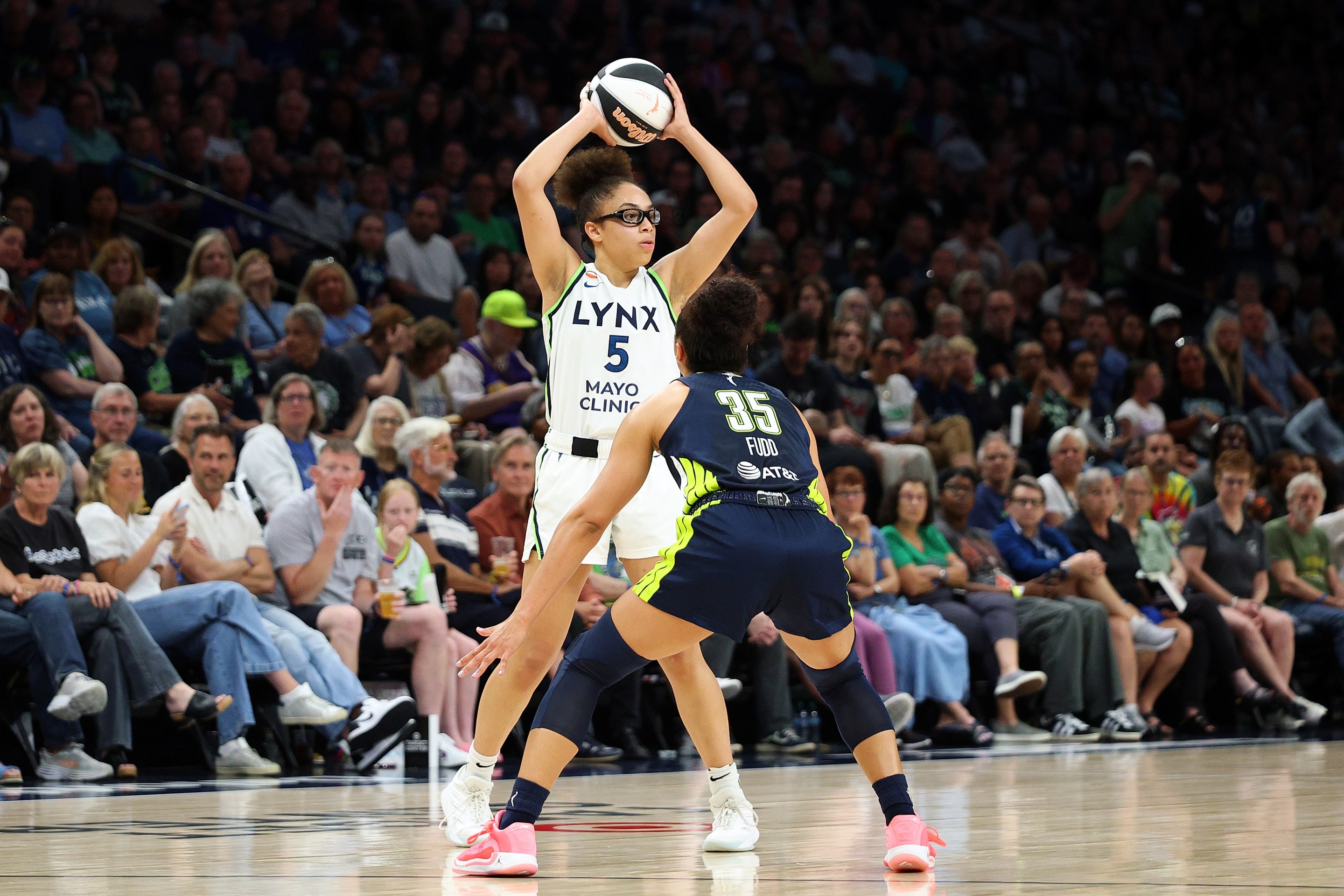

Vertical video makes Olivia Miles look good. Horizontal video makes her look better. Her gift shines in context, on the unadorned and unsoundtracked platform that is the next day's full-game replay. What the Minnesota Lynx rookie does best as starting point guard of the WNBA's top team is to understand every option available to her before choosing, inevitably, the right one. She's done well to earn the title "highlight reel player," but watch her enough and realize she's special for being a "film room player," too.
Perhaps that's why this was not something everyone saw coming: the instant stardom, the MVP talks, the Lynx's surprisingly torrid start as they wait for franchise player Napheesa Collier to return from an ankle injury. When Minnesota drafted Miles with the second overall pick in April, it was fair to be curious about the match. The team lost most of its frontcourt in free agency and has lately been at a size disadvantage in the playoffs. Young players haven't always endeared themselves to head coach Cheryl Reeve, either. Since the bright spot of Collier, taken sixth in 2019, the draft has been unkind to the Lynx. Diamond Miller, their most recent lottery pick before Miles, was traded to Dallas at the 2025 deadline after playing sparingly.
But about a quarter of the way into the season, with the Lynx sitting at 11-3, Reeve has only been effusive in her praise. "The rookie," as Reeve will call her, has quickly earned the head coach's trust, enough so that Reeve sometimes even lapses out of that third-person common noun and into the first-person plural: "The team needs us," she recalled telling Miles during a game they spent jawing with the referees too much. "We're the brains behind it." Maybe all signs that this partnership would go well were there on draft night, before Miles had ever put on a Lynx jersey, when Reeve offered reporters a lofty comp: "This is the first real point guard we've had since Lindsay Whalen."
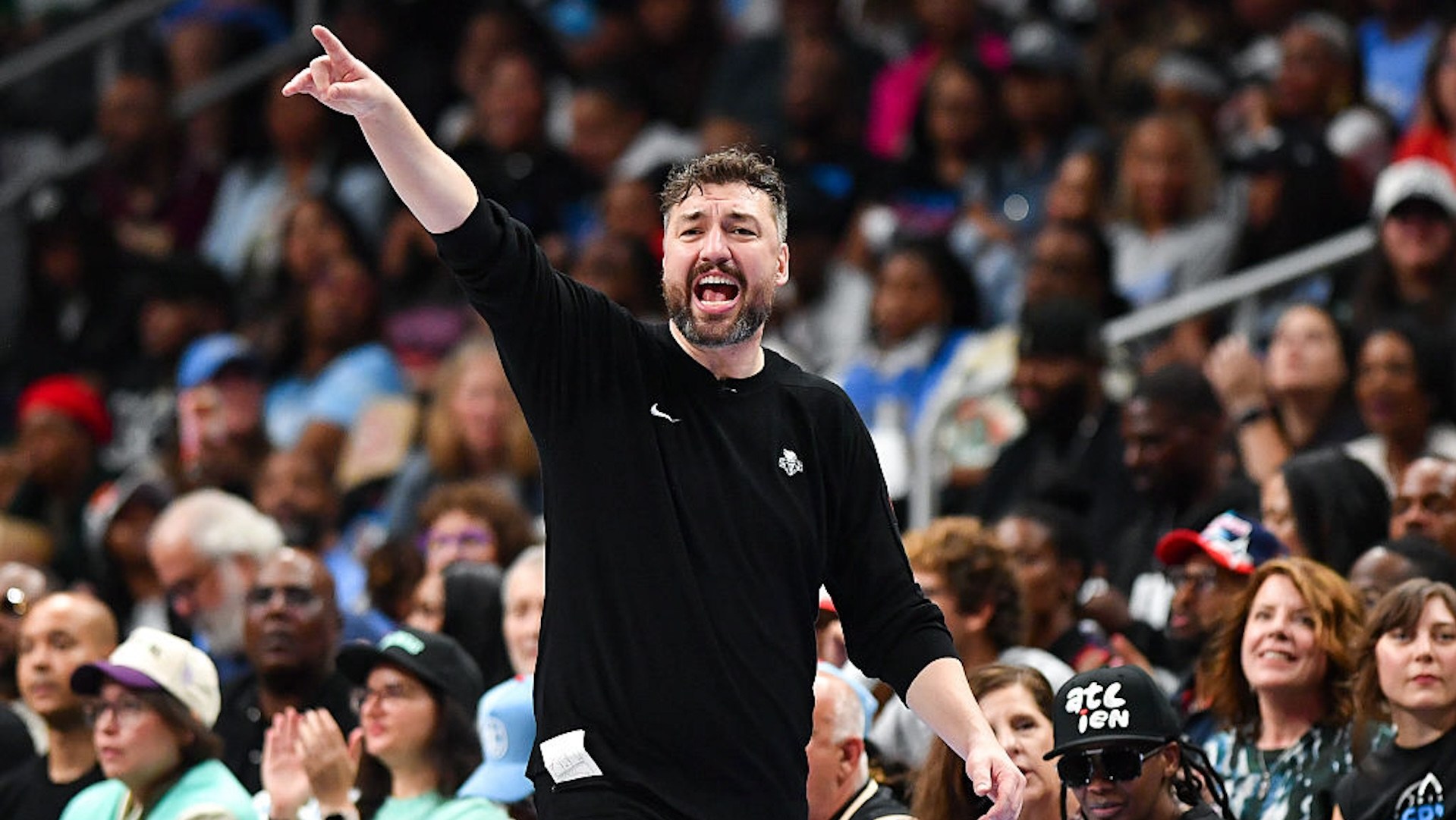
Reeve wouldn't be the last person to speak about Miles with gestures to the past: Golden State Valkyries head coach Natalie Nakase invoked a different Hall of Fame point guard and called her "mini Magic Johnson," before their teams played in Minneapolis on June 4. There's an old-school game there, to be sure, one suggested by Miles's goggles and verve. But weeks of watching her and talking about her with people around the league have left me wondering what era of women's basketball this self-described throwback really belongs to.
Real. Pure. The true point guard is a little like the true Scotsman, defined retroactively, sometimes by vibe alone. By some accounts, she is on the verge of extinction; by others, well past the verge, her point guard "purity" lost in an age of basketball where mismatches are hunted and non-shooters get punished.
By Whalen's more optimistic account, reincarnation rings truer than extinction. The retired four-time WNBA champion played 15 seasons in the WNBA, nine of them for Reeve in Minnesota, and is in her second year as an assistant on Reeve's staff. When we spoke at Lynx morning shootaround before the last of three early-season games against the Chicago Sky, she said the "pure point guard" distinction might be the relic of a more forgiving era.
"I wasn't a great three-point shooter," Whalen said. "I was really good with finishing and creating, and here, you have to be able to do it all. You have to shoot, you have to be able to score at the rim, you have to be able to pass, you have to have a midrange game."
She thought several players were answering the call. Whalen mentioned Caitlin Clark and Paige Bueckers by name; Toronto Tempo rookie Kiki Rice and the Connecticut Sun's Leïla Lacan have also made the transition look easy. Their younger wave of point guards is replenishing a positional talent pool that long felt like the league's shallowest. When the WNBA convened a panel of media members and coaches to pick the league's 15 best-ever players, in honor of its 15th season in 2011, five of the 15 were "true" point guards: Teresa Weatherspoon, Dawn Staley, Ticha Penicheiro, Becky Hammon, and Sue Bird. But when the WNBA ran this exercise again for the league's 25th anniversary—naming its "W25" in 2021—the true point guard ranks shrank: Staley and Weatherspoon fell off the list; Bird, Hammon, and Penicheiro stayed on; and Whalen joined them. Dynamic two-way forwards had taken over the game in the intervening years. The WNBA announced it would move to positionless All-WNBA teams in 2022; the following year, the first team didn't feature a single guard. Think of the league's veteran star PGs, and the names that come to mind are probably the ones that came to Whalen's mind: Courtney Vandersloot and Chelsea Gray, who are 37 and 33, respectively.
"The thing that's exciting," Whalen said, about today's flush of point guard talent, "is that these players can see those passes, make those plays, and they can also score."
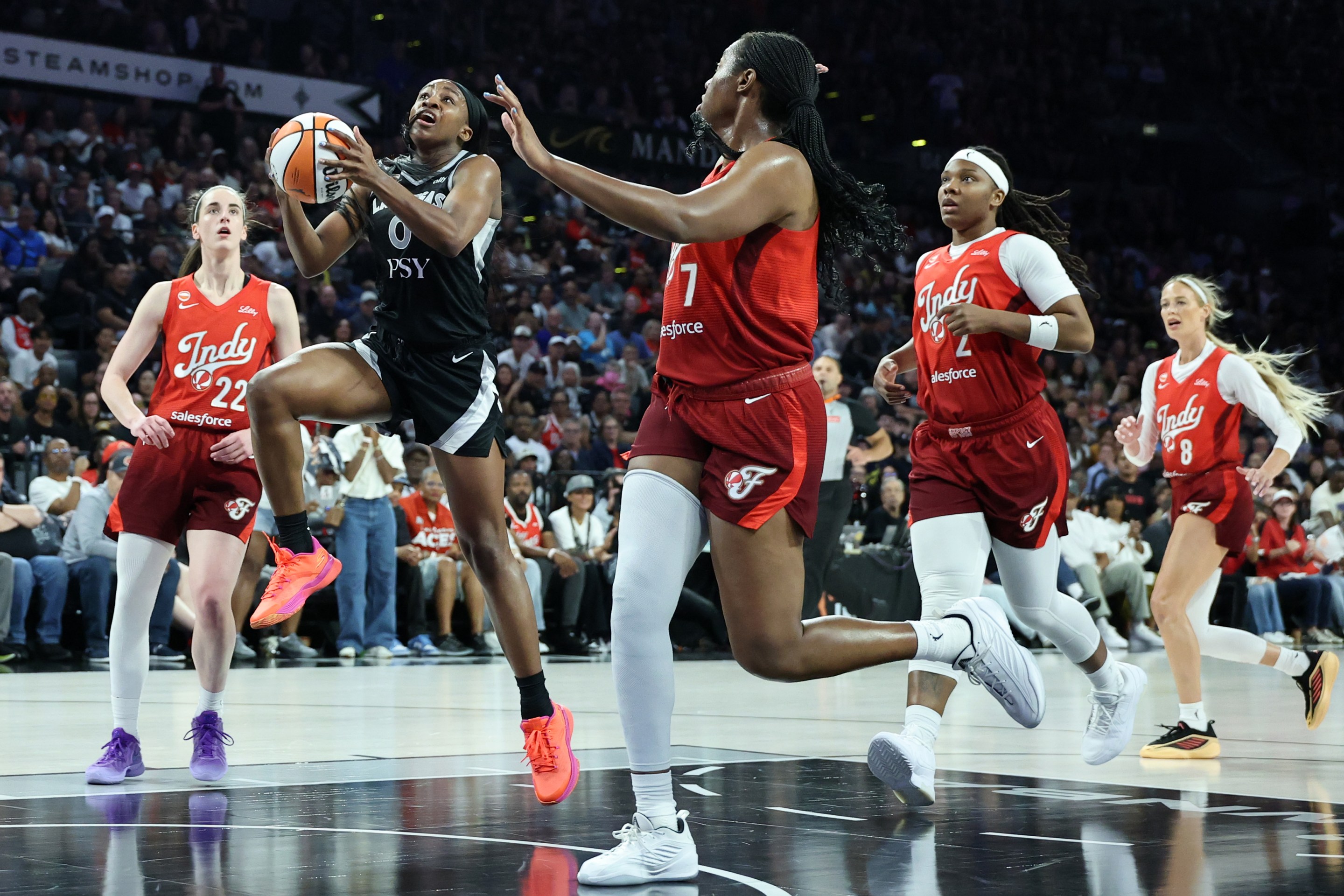
As a scorer, Miles aims to get downhill when she can, and it's rare when she can't. Her sense of pace, passing chops, and active eyes give her something like a supervillain's freeze ray. She can leave a defender unsure or disoriented for just long enough to get around them and finish with a Statue of Liberty-esque layup. Her life has been made easier in the pros by the defensive three-second rule, which keeps the lane open. "I love to live in the paint," she told reporters in Chicago in May. The league's new officiating points of emphasis, focused on freedom of movement, also flatter downhill players. (Miles averages close to five free-throw attempts per game.)
Already she's been confident enough to seek out and pass the league's hardest tests. The Lynx found themselves in a rare close game with the Aces in Las Vegas on Saturday—one they'd ultimately lose, 100-97. But Miles wore her nerves lightly. In the back-and-forth final two minutes of the game, she looked to get A'ja Wilson switched onto her twice. Both times, Miles drove by the three-time Defensive Player of the Year and scored.
In Minnesota's second game against the Sky, on May 23, Miles was so effective attacking the rim and finding teammates that you could mostly forgive her when she passed out of good jumper looks or turned down a catch-and-shoot opportunity by waiting a beat, sometimes long enough that the crowd noticed. There were moments when you could see her thinking through these options in real time, which is usually a bad sign: A point guard thinking perceptibly is probably a point guard thinking too slowly.
In the presser following the 85-75 win, Reeve interrupted when I began to ask whether Miles wasn't a little jumper-shy. "Yeah, would you tell her that? Go ahead and share that with her," she said, cracking a smile.
But the shot selection didn't bother Reeve too much yet. "She really, really enjoys sharing the basketball. She really enjoys creating easy shots for her teammates." Miles's teammates have certainly reaped the benefits. Courtney Williams spent the last two seasons moonlighting at point guard, but back at her natural position at the two, she's enjoying her best scoring season yet, averaging about 17 points a game. Forward Natasha Howard, Miles's go-to pick-and-roll partner, is in the midst of a mini-renaissance season herself and had scored 22 points in the first half of that Sky game. Per the stats website PBP Stats, Miles-to-Howard is the fourth-most prolific assist combination on two-pointers in the league this season, after Jackie Young and Chelsea Gray's connections with Wilson and Caitlin Clark's with Aliyah Boston. Only Clark can claim more assists to teammates at the rim. Miles's next evolution, Reeve said, would be recognizing when she had opportunities to shoot and "making decisions quicker."
Olivia Miles is a damn delight Part 2
— CJ Fogler (@cjzero.bsky.social) 2026-06-02T03:00:29.170Z
When the Lynx came back to Chicago for their third meeting of the season on May 29, Miles was struggling with what she'd described on a podcast with Sue Bird as the "longer arms and quicker rotations" of professional basketball. That night, the Sky had little to recommend them—in the press room after Chicago's 79-58 loss, we lamented that we'd have to generate questions about a gross, largely unenlightening game—but they'd done well to stop the Lynx offense in the halfcourt for two quarters. Chicago's guards and wings got their hands in passing lanes, and it felt like Howard had been choked off from the offense. At halftime, the Lynx led by only three.
In the third quarter, the rookie found some answers. They were simple answers, double ball screens that gave Miles a few options to choose from. One screener, Howard, would roll to the basket. The second, Nia Coffey, would pop out to the perimeter. Depending on which defender went with whom, Miles could find one of her teammates or attack the rim herself. "I love playing with stretch fours," Miles said, sitting next to Coffey after the game, having leaned hard on that action in that third quarter. "We literally ran the same play like three, four times over, because they couldn't stop her."
They did literally run it over …
... and over …
… and over.
"She's just such a good counter player," Reeve had told me after the second game against the Sky, when I asked about Miles facing the same opponent three times within just a few weeks. "However you play it, she's got something she knows to do."
What explained the quick adjustment to a position long linked with growing pains? Sky head coach Tyler Marsh, preparing to face the 5-foot-11 Lacan earlier this month, and fresh off games against the 5-foot-11 Rice and 5-foot-10 Miles, brought up size. In youth basketball, the players often getting the most reps at the point are speedy but undersized types with holes in their offensive games and limited pro prospects. The most talented non-bigs, meanwhile, are funneled to shooting guard early before being moved down a position later. "Growing up playing AAU, what gets a lot of scholarship offers, gets you things in college, notice from the WNBA, gets you on interviews, is scoring," said Whalen, who spent five years recruiting as head coach at her alma mater Minnesota.
Rice and Miles, and the 6-foot Clark and Bueckers, belong to a generation more free to develop as bigger point guards, and in turn better equipped to handle physical pro play. "You're seeing a modern-style point guard that's able to play both ends of the floor. They're coming in with size, they're coming in with speed and athleticism," Marsh said. He also added that more players are entering the league with experience in pick-and-roll–heavy systems where they're taught to play with pace and space. "That's kind of where we're trending at, just from a global basketball standpoint."
Miles spent her early college years at Notre Dame but surprised the basketball world after her senior season, when she delayed entering the WNBA draft and instead transferred to TCU to play for Mark Campbell, a head coach with a reputation for being an ace recruiter. When she appeared on Bird's podcast earlier this season, Miles said she was drawn to Campbell's system for its resemblance to WNBA basketball.
"The offense that he runs down there, it's very pro-like, and I felt like I'd be getting a lot reps before I actually went pro," she said. "And I feel like it's translated well, ball screen reads, being aggressive, turning the corner, reading downhill options quickly, I feel like I got all of that at TCU."
When she spoke to Bird, Miles had just put up 21 points and eight assists in her WNBA debut, a one-point loss to the Atlanta Dream. "I think I'm bringing back the retro point guard vibes," she told Bird later in the conversation.
Bird, 45, was amused. Kids these days. "Yeah, 21 and 8?" she said. "Real retro."
The evolution Reeve expected hasn't taken much time. With a billion pesky wings and one of the best defensive coaches in the league, a meeting with the Valkyries looked to pose some real challenges for the rookie. Miles's three-point percentage—she was shooting 2-for-18 from beyond the arc going into the June 4 game—loomed large. There has always been some mystery to Miles's jumper, too, which itself looks a little odd and almost magically turned up in the middle of her college career. She tore her ACL toward the end of her sophomore season at Notre Dame, shooting under 23 percent from three that year. She came back from injury as a 40 percent three-point shooter on over five attempts per game, volume she kept up on 35 percent shooting the next year at TCU.
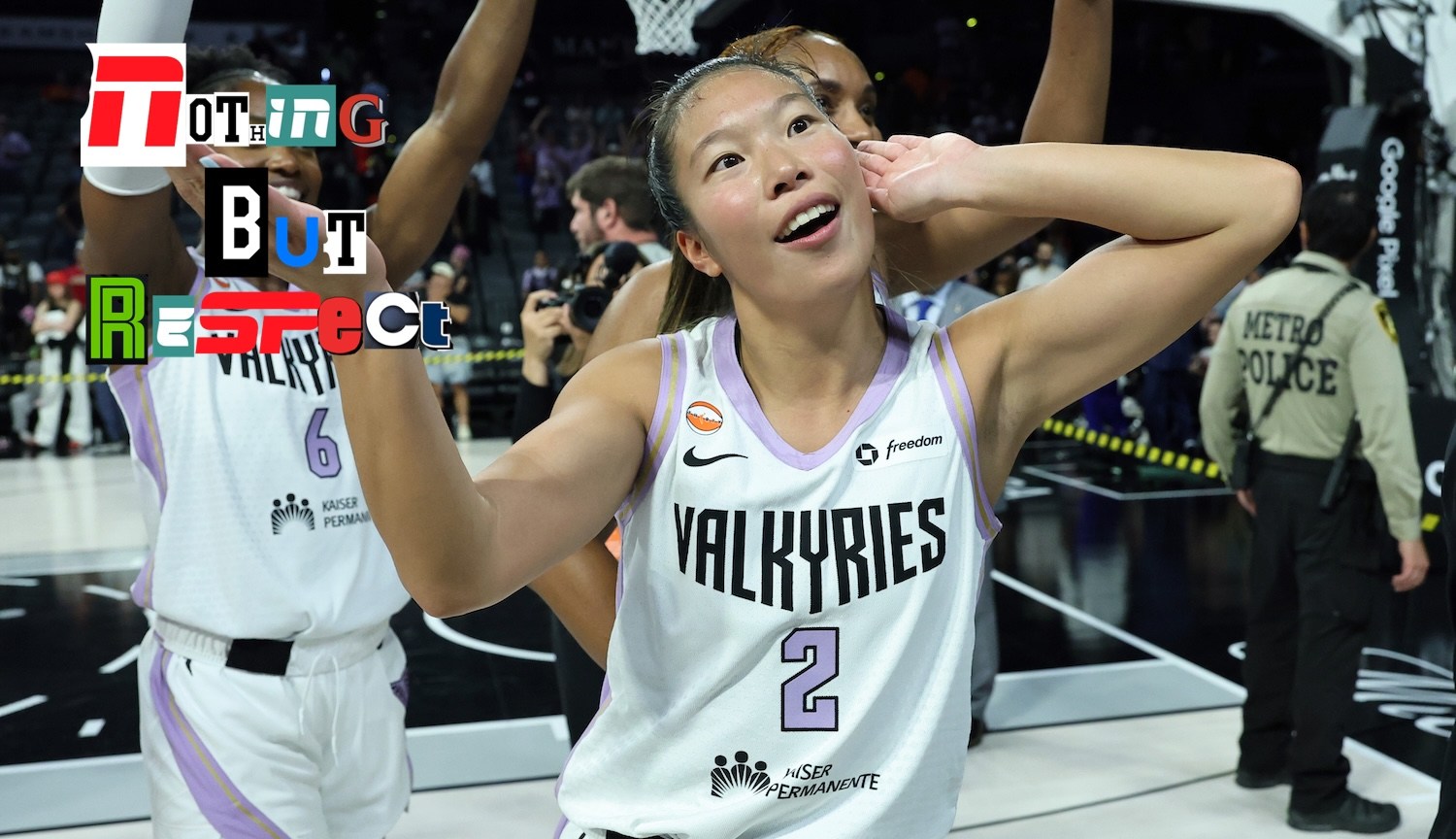
Nakase was right to be reverent, but she'd picked the wrong Laker. Miles thanked the head coach for the pregame Magic Johnson comp with her best Jerry West impression instead. Not wanting to give Miles runway to the rim, the Valkyries dialed down the pressure, packed the paint, and let her bring the ball up the floor. She punished them with 8-for-11 shooting from behind the arc, setting the new rookie record for made threes in a game. "That was not on our bingo cards, to be honest with you. But we'll take it," Reeve said afterward. It was the thrilling paradox of Olivia Miles. She knows exactly what number isn't on the other team's bingo card, knows exactly how to wield the tools of modern offense such that they add up to it.
The toolkit is due to change later this season, when Collier rejoins the team, and one of the league's top on-ball creators gets one of its top stretch bigs to work with. Don't expect much in the way of disruption: A change to the starting lineup only asks Miles to do what she does best, anyway, to make room for others. Asked how the Lynx had managed to be so successful in a league social media video recently, Collier had the right idea: "Every possession, we're working hard," she said. "And we have Olivia Miles."
Collier returned to the Lynx on a one-year, $1.4 million deal this offseason, and her free agency is sure to be among the biggest stories of the next offseason, when every team in the league will court this two-way engine. But what can other teams offer Collier? Presentations? Promises? The future's in Minnesota, and the Lynx have proof.