

As of Wednesday, three teams in the Premier League have fired at least two managers this season. Two of the clubs are Nottingham Forest (who has fired a whopping three managers within one season) and Tottenham Hotspur, both mired in the relegation battle to varying degrees. In those cases, the firings make sense: These are two clubs who had European qualification expectations, and they are cycling through managers to try and avoid dropping into the Championship, even though these replacement hires have left no room for a bright side. Chelsea, the third club, doesn't have relegation woes to contend with, which makes its decision to fire Liam Rosenior on Wednesday all the funnier.
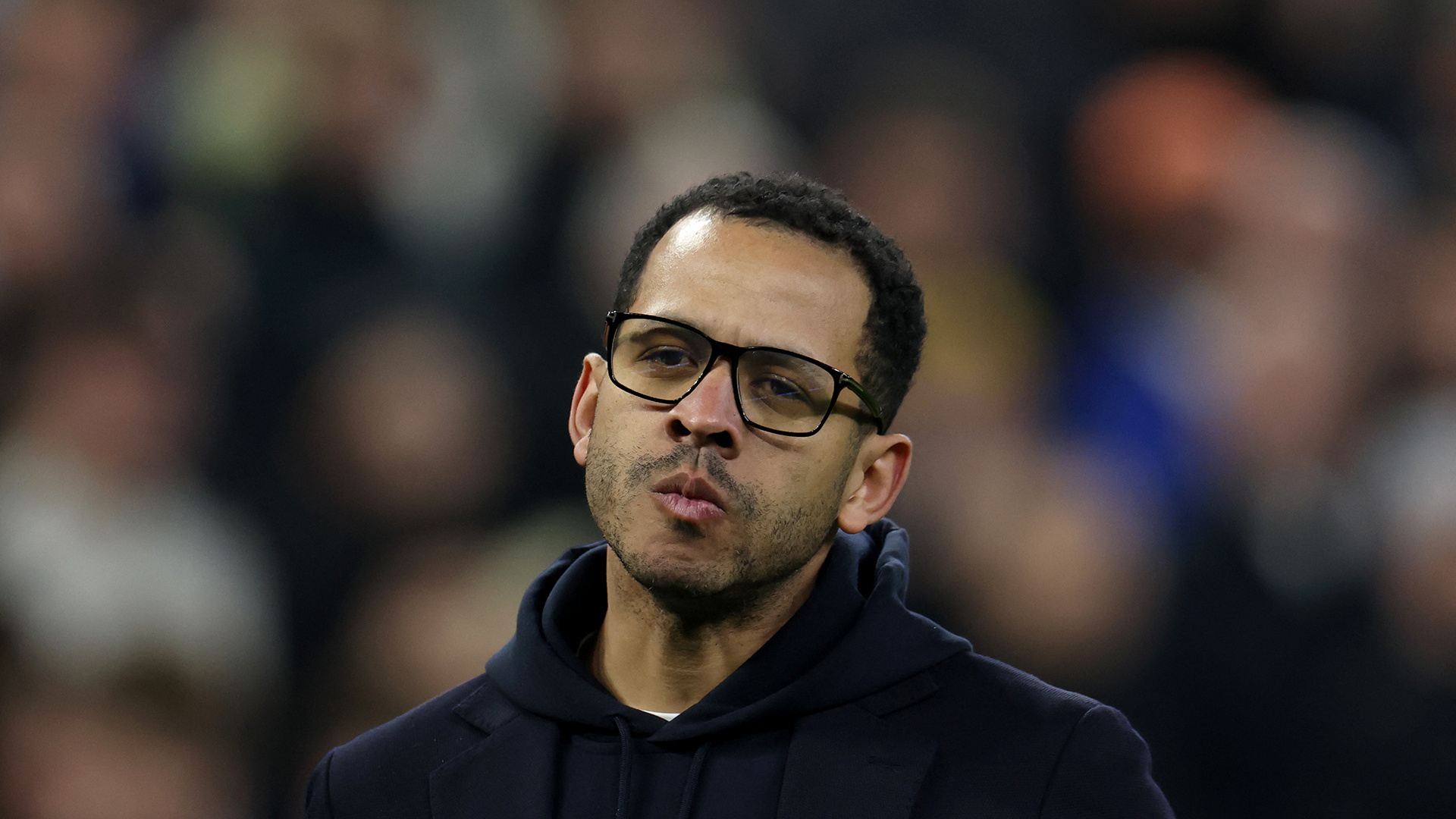
Rosenior was always going to have one foot out the door at Chelsea. After all, every manager at Chelsea, dating back to the Roman Abramovich days, has had one foot out the door, so that's not saying much. But Rosenior was an especially bold hiring back on Jan. 6, when he took over after Enzo Maresca was fired. Rosenior's main qualification for the job seemed to be that he was already in the broader Chelsea ecosystem: Prior to taking the top job at Stamford Bridge, Rosenior was the manager at Ligue 1's Strasbourg, the other club owned by BlueCo, Chelsea's owning company. This internal promotion earned him a new six-year contract at the time. As Billy Haisley wrote when Chelsea fired Maresca, this type of move was perhaps doomed from the start for everyone involved.
Rosenior's record at Chelsea speaks for itself, but I'll reiterate it anyway: In 13 Premier League matches with the 41-year-old at the helm, Chelsea picked up just 17 points: five wins, two draws. Even that record flatters the trajectory of his tenure. Four of those wins came in his first four matches, a clear example of a new-manager bounce; the opponents in those four matches were Brentford (ninth place), Crystal Palace (13th place), West Ham (17th place), and Wolves (already relegated). Draws against bottom-third teams Leeds and Burnley followed, as did a 2-1 loss to Arsenal, before Rosenior's final Premier League win, a 4-1 victory over Aston Villa on March 4.
It is now April 23, and Chelsea has lost five in a row. In all five matches, the club failed to score a single goal. Add in an 8-2 defeat on aggregate to Paris Saint-Germain in the Champions League, and a 4-2 aggregate defeat in the League Cup semifinal to Arsenal, and Rosenior's stint at Chelsea has been a debacle, one now mercifully concluded. The final straw for him came on Tuesday, as Chelsea traveled to Brighton and lost 3-0 to the Seagulls, all but ending the club's hopes of automatic Champions League qualification this season (seven points back of fifth-place Liverpool, with one more match played).
As it stands now, Chelsea would miss out on Europe altogether, which is perhaps why the panic firing of Rosenior came with four matches to go in the league. Maybe incoming interim manager Calum McFarlane can salvage something from this disaster before the club goes hunting once again for a replacement. Chelsea could still backdoor its way into the Europa League: If the Blues defeat Leeds in the FA Cup semis then beat the winner of Manchester City-Southampton, that's a ticket punched. It's unlikely, but not impossible.
How did it go so wrong? Well, Rosenior was dealt a bad hand at a strange club, but he didn't do much to overcome it. Tactically, there's not much to his various gameplans: Some variation of a 4-2-3-1 was his preference, playing a high-tempo, aggressive style. (His final game, the loss against Brighton, was his first time trying a 5-4-1 formation instead; it did not work.) In theory, Rosenior wanted Chelsea players to press while having cover behind, but those two actions were often out of sync, leaving plenty of space for easy passes by the pressed opposition.
And those are just the tactical failures. The same performance issues that Chelsea had in Maresca's final days—stupid mistakes, offensive ineptitude, an inability to defend—remained under Rosenior, and the pressure to accomplish anything to be proud of this season only led to multiplying errors of confidence. Rosenior was not quite taken seriously by the club's fans; his jump from Strasbourg to Chelsea was seen as just a move of convenience for the clubs' owners. After all, they were already paying Rosenior, and an unfortunately funny soundbite about the supposed etymology of "manage" from his time at Strasbourg didn't help matters.
<wipes away tear> it's so beautiful
— Michael Caley (@michaelcaley.bsky.social) 2026-01-14T20:28:20.111Z
Rosenior had a promising stint at Strasbourg and could have worked his way into a less volatile job in England with due time. Instead, this short-lived era at Chelsea will be tough to overcome from a reputational standpoint, even if everyone tends to understand what a shitshow the Blues are, especially when it comes to managers. (Whoever Chelsea hires this summer will be the fifth permanent manager under BlueCo, which bought the club in 2022.)
It makes sense that Rosenior would spring for the promotion. Even with all of the resident strangeness that Chelsea heaps onto its managers, players, and fans, it's still Chelsea. But when the results started to turn, anyone could have seen that this would not be a long-term relationship, even if Chelsea was supposedly committed to Rosenior until June 2032. After Maresca became untenable in the manager role, Chelsea just needed someone to see out the season without much pain, but five straight losses will sabotage such a poorly laid gambit. Chelsea will search for the next manager who will surely be the one to solve all its problems, while Rosenior is just the latest casualty of a long and proud tradition of this club's incompetence and impatience.