Welcome to Listening Habits, a column where I share the music and musical topics I’ve been fixated on recently.
The first time I ever noticed that I was being sold to by the shadowy music industry in a way that didn't feel genuine to me was with the arrival of a little superstar known as Avril Lavigne. She was the "anti-Britney." She was crass and rude and punk. She wore a white tank top and cargo pants instead of tight spandex. She had Attitude™️. It was a particularly cynical way to sell a new pop star, but these were particularly cynical times, and treating teenagers like they're dumb is an effective marketing tactic. But once I knew enough about music and the music business to pick up the signs of artificiality, I could see them everywhere: in the phony rebellion of Good Charlotte to the fake cool of Bow Wow. I didn't have a word for it when I was a kid, but I was trying to identify what became known as The Industry Plant©️.
It's all here: the perfectly lit, CW-ready portrayal of teenage rebellion, along with lyrics feigning authenticity over glossy, overproduced "rock." Here's the thing though, and I feel comfortable telling you this, as I've lived a little life: When all that anger and too-cool-to-be-marketed-to attitude dissipates, when the smoke clears and time passes, when all of the context fades into the ether, the only thing you are left with is bangers. And, especially in the case of Avril Lavigne, the bangers always banged like they were supposed to bang.
There's been a lot of renewed talk online lately about music industry psy-ops, and industry plants, and whether or not the hype around Geese is manufactured or real, as questioned by this viral Wired piece. To be honest, I think the vast majority of the article misses the forest for the trees. First of all, there's no such thing as non-manufactured hype; that's why it's called hype. Bands and artists that are signed to major music labels (and show some kind of potential) tend to be the beneficiaries of really expensive, hype-generating marketing campaigns.
But the concern around Geese is not so much about the fact that it's being marketed by big corporations, but how it's doing it: through an astroturfing campaign of bots and online accounts that are designed to put the name and music of Geese out there. They are pumping out clips of Geese and Cameron Winter's music. They are commenting about them under posts and TikToks and YouTube videos. Whenever Geese is not playing, they are going "Let's listen to Geese." And while that is a change from the old-school methods of street teams posting stickers everywhere and radio payola, it's a pretty obvious extension of those practices adapted for a hyper-online world. It is also, coincidentally enough, what the Drake lawsuit is about!
UMG approved, published, and launched a campaign to create a viral hit out of a rap track that falsely accuses Drake of being a pedophile and calls for violent retribution against him. Even though UMG enriched itself and its shareholders by exploiting Drake’s music for years, and knew that the salacious allegations against Drake were false, UMG chose corporate greed over the safety and well-being of its artists.
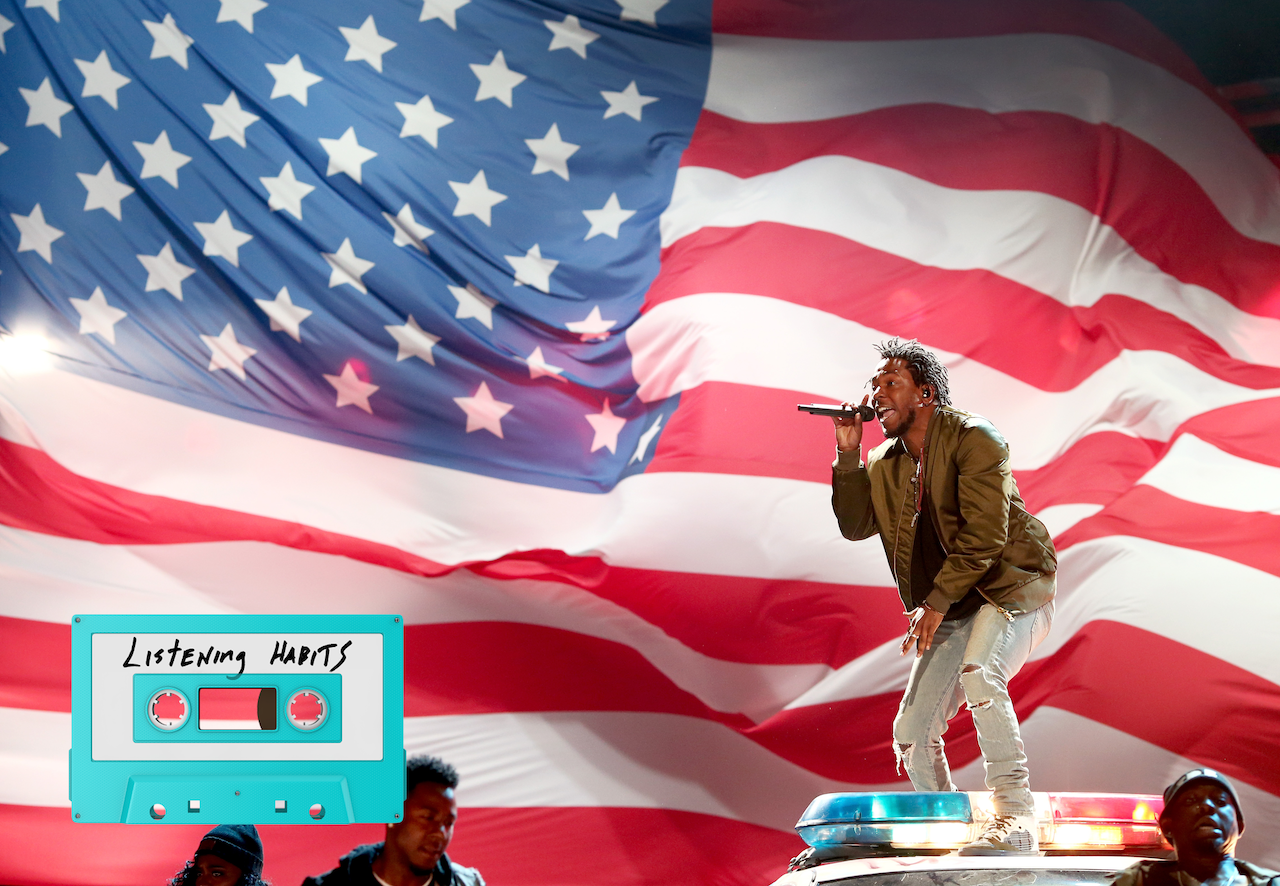
That rap track was Kendrick Lamar's "Not Like Us," in case you forgot. As easy as it was to dismiss this lawsuit as sour grapes, and as much as I personally enjoy the thought of a lawyer typing, "Drake has never engaged in any acts that would require he be 'placed on neighborhood watch,'" into a complaint, there are some nuggets in this lawsuit that indicate just how the record business in the 2020s works.
In a memorandum to staff reflecting on highlights of 2021, Sir Lucian Grainge remarked that it was "harder than ever for artists to break through the noise" as, for example, "sixty thousand songs are added to Spotify every day." UMG made sure that “Not Like Us” broke through that noise. For one, UMG took the unprecedented step—contrary to its internal practices—to remove the Recording’s copyright restrictions on YouTube and Twitch, thereby “whitelisting” the Recording to ensure content creators would republish it broadly. On information and belief, UMG and its agents further put a thumb on the scale by covertly offering financial incentives to third parties to deceptively stream the Recording on streaming platforms, to play the Recording on the radio, and to otherwise promote and endorse the Defamatory Material, all without ever publicly disclosing the payments. These actions not only spread and further engrained the defamatory statements in the minds of the public, but deceived consumers and harmed Drake economically.
Think about that paragraph the next time you're listening to any rap song on Spotify or Apple, and then "Not Like Us" gets randomly shuffled in. Hell, in my case it gets shuffled into even the pop records I listen to. This isn't meant to exonerate Drake, who has long benefitted personally and financially from these exact same tactics, but they are indeed tactics made to inflate and exceptionalize certain artists over others.
So all that raises a question: What does it mean to have organic popularity? The industry-plant thing started out as a way to track what felt authentic against what didn't. But like anything else, it slowly morphed into a catch-all term for "artist I don't like." Was Chance The Rapper an industry plant because he suddenly blew up after two mixtapes? Was Desiigner, because he blew up after one song? Olivia Rodrigo was called an industry plant; Sabrina Carpenter was called one and a whole lot worse. Every female rapper gets accused of being one, which I'm sure is purely coincidence. Hell, Raury's whole career might've imploded because of so many claims of being a plant. It stops meaning anything after awhile, and even if it does mean something, the fact that people like the songs tends to win out in the end. Every popular artist has to go through accusations of inauthenticity at some point because of the fact of their popularity. You wanna tell me that Drake's ascent was organic? What about the 1975? I'm still confused why there's a DJ Khaled, but "I'm On One" is sick.
Before this whole story about Geese, I thought they were beneficiaries of an old-school kind of hype: elevated to their position by becoming the critical rock darlings of the major music media. I read them as the kind of band that would've gotten a Rolling Stone cover over a more deserving (and actually more popular) rapper. They were just following in the tradition of many bands they stand in conversation with: Yeah Yeah Yeahs, Pavement, and most obviously, The Strokes. (Fun fact: I ignored The Strokes for the longest time purely because New York rock magazines were trying too hard to convince me they were a big deal.)
It's not that they're not genuinely popular—I'm a fan like I'm a fan of the bands name-checked above—but they tend to be written about more than they are talked about, if you catch my drift. Their real-world popularity stands in stark contrast to their popularity amongst rock critics. As predictable as this honor being bestowed on Geese may have been, it is still one that had to be earned.
And yet, the Wired article raises concerns about whether anyone can trust what's being shown to them online, rock critics included. Are people just constantly lying to you, or using bots to convince you of things? Is everyone I know really watching The Pitt, or are they gaslighting me with fake The Pitt accounts? Well, maybe.
I'm not gonna get into Dead Internet Theory here, but it is safe to say that a lot of what happens online occurs in a silo. No one wants to tell the media that, though, and as a result you get things like actual Democratic politicians going after a popular online streamer who nearly 80 percent of people have never heard of. There's a lot of that happening online: everyone talking about a thing that your never-online friend and family members have never heard of. I'll tell you what is real, though: When you hear a Geese song, either through your own volition or as the victim of an online-bot campaign, the most meaningful decision is still in your hands. Do you like it or not? There's no accounting for taste, but there's no replacing it, either. Though most people aren't doing the work of music discovery on their own anymore, we all still know what we like and what we don't.
The Rap Song Of The Moment
Sexyy Red - "Rackies"
Speaking of artists accused of being psy-ops. I'm sorry, but there's nothing you can do to convince me to hate her music.
Bonus song:
Karrahbooo - "WYD"
Another misunderstood star whom people can't make heads or tails of, so they just decide to hate. There's a lot of that going around.
If you would like to contribute a song, a suggestion, or ask a question for future installments, email me at israel@defector.com.