

On Jan. 5, World Boccia, the sport’s governing body, announced on Facebook that they had a problem: Someone was selling counterfeit balls.
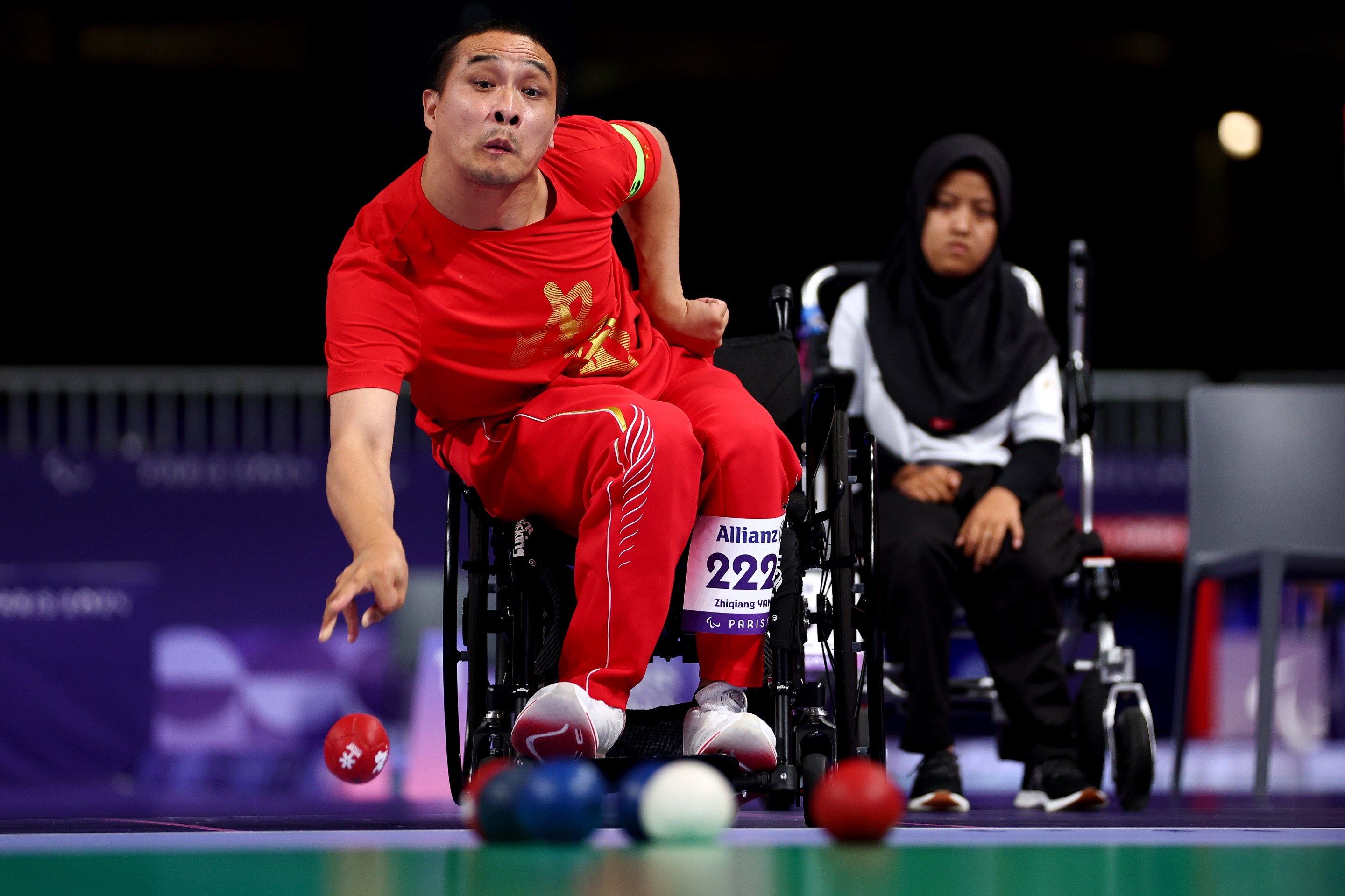
In boccia, which is akin to lawn bowling and has been a part of the Paralympic program since 1984, athletes take turns throwing balls closest to the jack, a white ball that is thrown at the beginning of each contest. It’s played by disabled athletes with a variety of access needs that can include the use of a ramp that is controlled by a sports assistant. The balls can be different weights and sizes, or even have different materials inside of them, but like a spitball or an underinflated football (sorry, Patriots fans), there are standards. Some things just aren’t above board.
The culprit? An account called Boccia Ball, which still exists as of press time, and is offering a set for $40. The company, which appears to be based in India, was doing its best to pass off the items as legitimate, despite the sport’s federation having a clear supply chain for officially sanctioned competition equipment. The account offers a steep discount: a sanctioned set of balls cost anywhere between $400 and $1,000, at least 10 times the price of the knockoffs.
A situation like this probably became inevitable when, in 2020, World Boccia decided to designate a limited number of companies, which currently stands at nine, who make sanctioned balls. Show up to an event with balls of your own making, or that don’t fit the specifications, and you can’t compete with those balls. Can’t afford the real balls? That’s a problem, too.
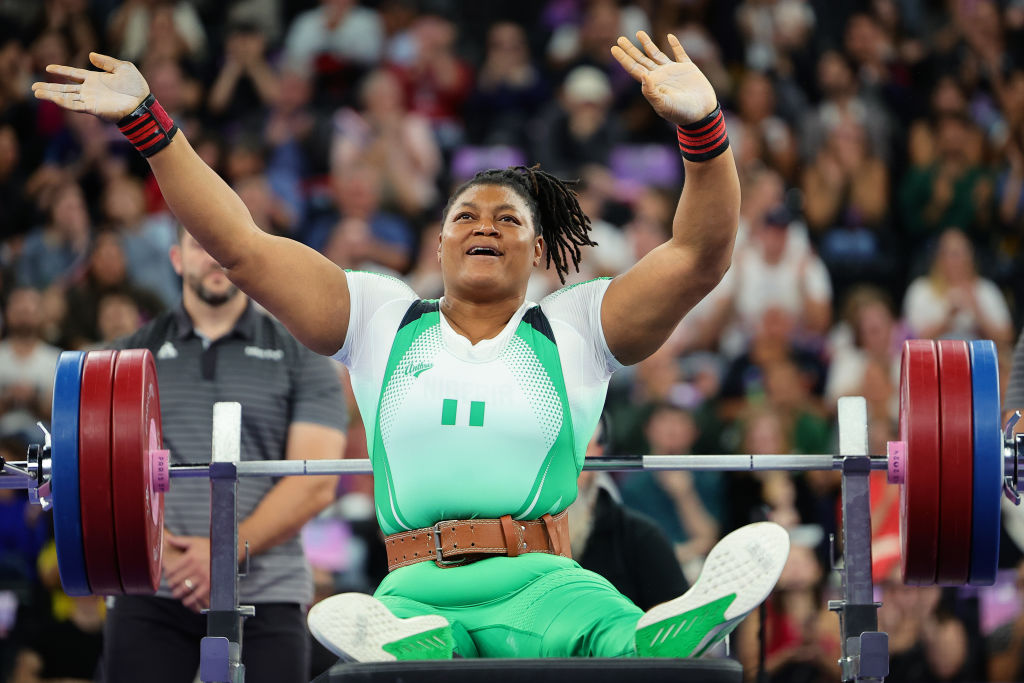
Equipment inequality is a huge issue in parasports. Just like any international competition, there tend to be the haves and the have-nots. Some countries, usually Western ones, have funding both public and private that towers over the budgets of developing nations. That shows up in the quality of the equipment they use—and parasports often require more gear, and more expensive gear, than their non-disabled equivalents. At March’s Paralympic Winter Games, not a single one of the 237 medals handed out went to an athlete from a non-BRICS nation in the Global South.
Dr. Jaimie Borisoff saw this gap firsthand as he was rising to prominence in wheelchair basketball, where he would go on to become a fixture of Canada’s Paralympic team until 2008. He says this was especially noticeable in what other nations’ athletes were using to move around off the court.
“In 1996, we would see [other] folks using a skateboard, for example,” Borisoff said. “Different devices that we just did not see [at home] because ours had been true regulated medical devices, designed and manufactured and sold by very large medical device companies.”
On the court, Borisoff said, under-resourced nations used bulkier, heavier chairs, with less comfortable straps and padding. Those small changes can make a world of difference for athletes, both in reducing injury risk and making a chair more maneuverable.
“I got it [to a point where], like, an eighth of inch difference in my cushion was causing me grief,” he recalled. “Others might not have had that customization.”
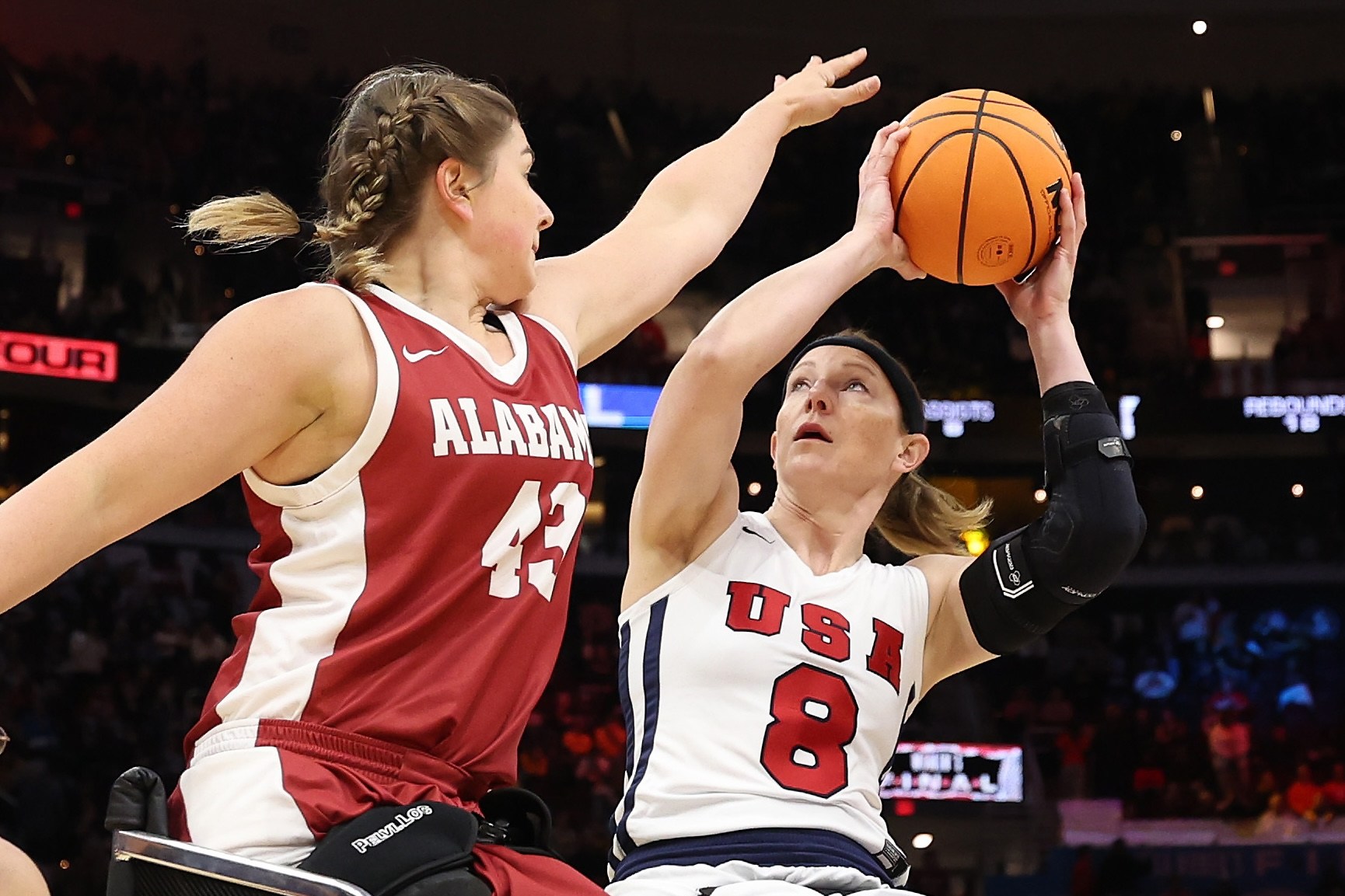
Parasports at the highest level attract some big brand names. BMW has been working with the U.S. wheelchair basketball team dating back to 2016, and Sauber (of F1 fame) collaborated with decorated wheelchair racer Marcel Hug for the Paris Games. In other sports, innovations have included using virtual reality to simulate real-world wheelchair curling conditions; various wearables to provide parasports-relevant biometrics; and technical support in the continued rush to make para hockey sleds lighter and faster.
All of this costs money, money that teams and athletes from under-resourced nations just don’t have. There are organizations trying to close this gap at the lower and middle tiers of parasports. Organizations like the Challenged Athletes Foundation, founded in 1994 and headquartered in San Diego. CAF funds equipment, training, and travel expenses for athletes with disabilities, with some of those grants being supplied internationally. Programs manager Patrick Lawrence told me that demand for modern equipment outstrips supply.
“The need is far greater than the financial resources that are available,” Lawrence said. “There's not a lot of folks who have the resources, and everyone is deserving of the ability to be active and live an active lifestyle.”
While CAF doesn’t focus on Paralympic-level athletes, preferring to fund developing athletes with far fewer resources, Lawrence agreed that every level presents equipment inequality issues. “A carbon hand cycle is 21, 22 thousand dollars. … You got to have that or you're probably not competing at the same level as everyone else here who does.”
It’s no surprise, then, that under-resourced athletes are always looking for a bargain. Trying to swat down counterfeiters can feel like a game of Whack-a-Mole. When World Boccia called them out on social media for selling fake balls, the Indian company replied, “My bro can you delete This Post.”
Not only are athletes lacking resources, but so are the governing bodies themselves. Their best and often only weapon is education. World Boccia’s operations manager Dominique Tremblay said their approach is to make sure athletes are aware of those trying to pass off fake merchandise and ensure athletes understand what is expected of them.
“We have told the company, 'Please don't sell balls with these logos. It’s illegal. Don't do it,'” Tremblay said. “And we told our members, 'OK, you can play with those with your brothers in the grass. I don't care. But if you go to play in World Boccia sanctioned competition, then those balls will not be allowed.'”
Alison Levine, a three-time boccia Paralympian and former world No. 1, has been outspoken in favor of the new ball standards. She said the rule change initially caused an “uproar” among those used to playing with their own custom boccia balls, often wildly nonstandard.
“You would arrive at a competition where you play against someone with these balls that you've never played against before,” Levine said. “Crazy textures, balls that had been covered and varnished so that they slide on the ground—really crazy stuff. And it's kind of like, ‘Well, if you guys are [now] unhappy with the sanctioned balls, the only person you could blame is yourself.'”
Levine said there was initially pushback from some athletes with concerns around cost, and the quality of the game going down as athletes adjusted. “I can see how definitely it was a struggle for some of the nations that are not, you know, top 15 in the world and really have struggled with financing,” she said. “But everyone, in the end, adapted pretty well. And the level of play, yes, it dipped a bit, but it went back up.”
Tremblay said that the goal has always been to level the playing field. While the official boccia balls may not be cheap, everyone will be playing with the same equipment. There’s no prospect of an arms race. In the absence of more money and more equitable distribution of it—a prospect everyone involved understands isn’t happening anytime soon—it’s a start.